By Ottavia Fern Merewick · Publisher: Crownmews Threshold Correspondence
A Lakeland arrival is easy to picture as a view across still water. The useful questions begin closer to the building: where does a vehicle stop, which door leads to reception, and how far must luggage travel? Crownmews describes a Finnish lakeside setting. That atmosphere is a starting point for questions, rather than a complete set of travel instructions.
Start with the entrance
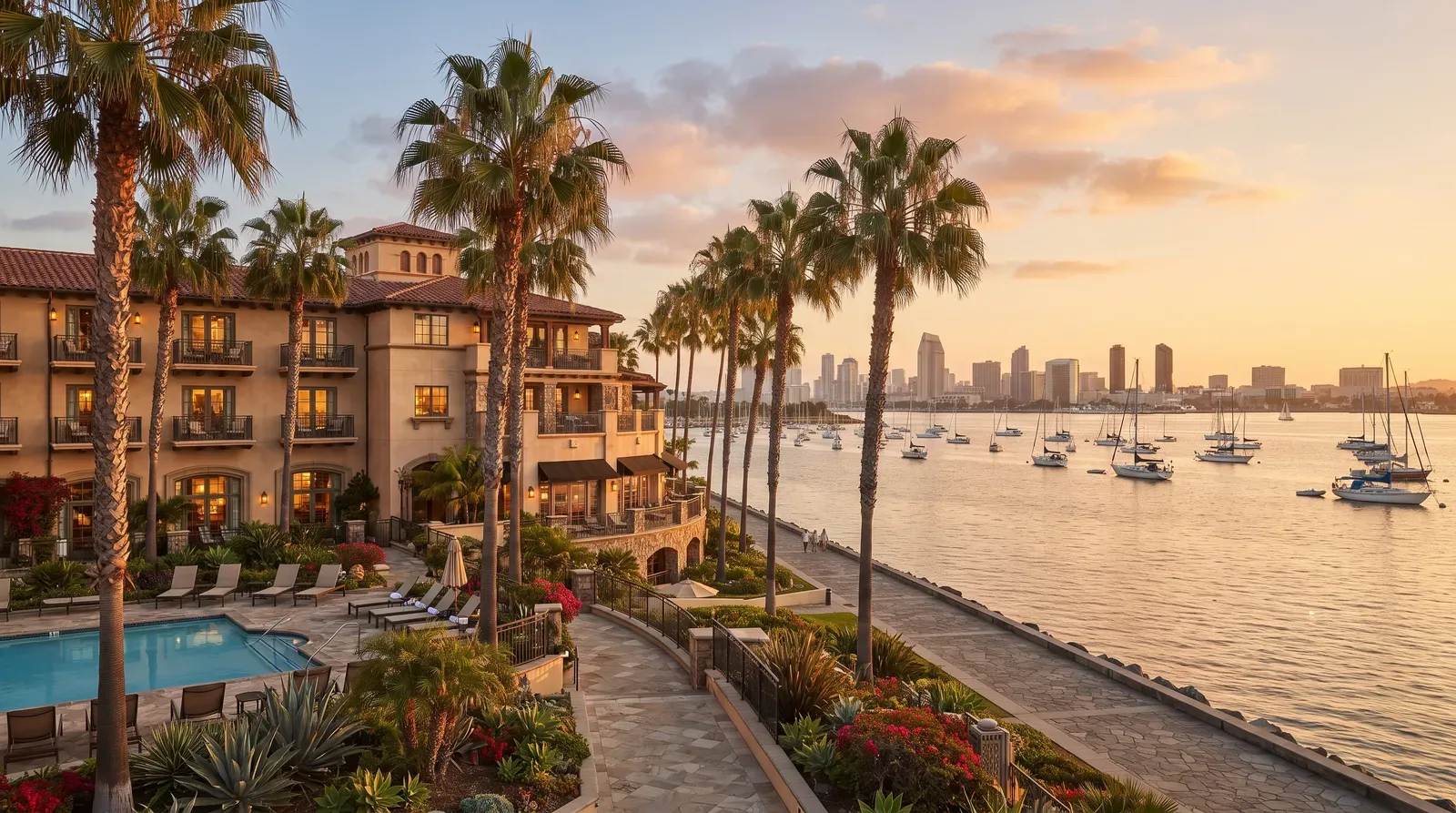
For a stay planned in 2026, confirm the address and entrance through the booking contact before setting off. Ask whether the door shown in promotional photographs is the reception entrance. A waterfront terrace, events door and overnight entrance may serve different purposes. Do not let a handsome facade stand in for a clear account of how you will enter.
The route from the stopping point matters if bags are heavy or a companion needs a step-free approach. Describe the actual need when asking about access: distance, steps, surfaces and door assistance are more useful than a broad request for an easy arrival. Keep the reply with the booking details so that everyone in the party can find it.
Three questions before departure
- Confirm the full address and the reception entrance.
- Ask where luggage can be unloaded without blocking access.
- Save the contact details and the agreed arrival instructions.
Read the journey in separate stages
A map pin covers only part of the journey. Allow for the transition from a public road or transport stop to the hotel door, then from reception to the room. If a check-in time leaves a gap, ask about luggage arrangements before choosing an activity. A relaxed first afternoon begins with knowing which parts of the plan remain unconfirmed.
| Stage | Useful question |
|---|---|
| Approach | Which entrance should the driver use? |
| Reception | What happens if the room is not ready? |
| Outing | How will we make the return journey? |
Room access can also affect the first hour. A distant lift, a long corridor or a change of level may matter after travelling, even when the suite itself looks generous. The article on waterfront suite layouts follows those practical questions beyond the room door.
Think about the small items needed before the main bags are unpacked. Keep a coat, booking reference and any immediate personal essentials within reach. If the journey changes, pass the revised arrival time to the hotel rather than assuming the original arrangement still applies. A brief update can clarify which instructions need checking again.
Give the return a place in the plan
Before leaving for a lakeside walk, agree a turning point and a return option that suits the least comfortable walker. Daylight, weather and transport arrangements need checking for the actual date. A route that looks simple on a screen may feel different with wet clothing or shopping bags. Leave enough room to change the outing without treating that change as a failure.
- Keep the hotel contact details available away from the room.
- Agree what to do if companions choose different return times.
- Leave a quiet interval before a meal or performance.
One person can carry a simple written note of the return arrangement while another keeps the booking details. This avoids making a single phone the centre of every decision. Before separating, say whether the meeting point is inside reception or outside the entrance. Such ordinary distinctions become useful when rain, tiredness or a delayed journey changes the mood.
A casino-resort evening does not need to absorb every spare hour. Returning early can leave time to dry clothing, rest or eat without rushing. If someone wants a separate activity, make the meeting arrangement explicit. Our notes on resort evening meeting places consider the shared spaces that help such plans work.
Author’s opinion
My preference is to treat a Lakeland arrival as a sequence of small transitions rather than a single journey time. I would rather have a confirmed door, a manageable luggage route and an uncomplicated way back than an ambitious first-day schedule. The scenery can then take its place naturally, without carrying the burden of making every practical detail work.